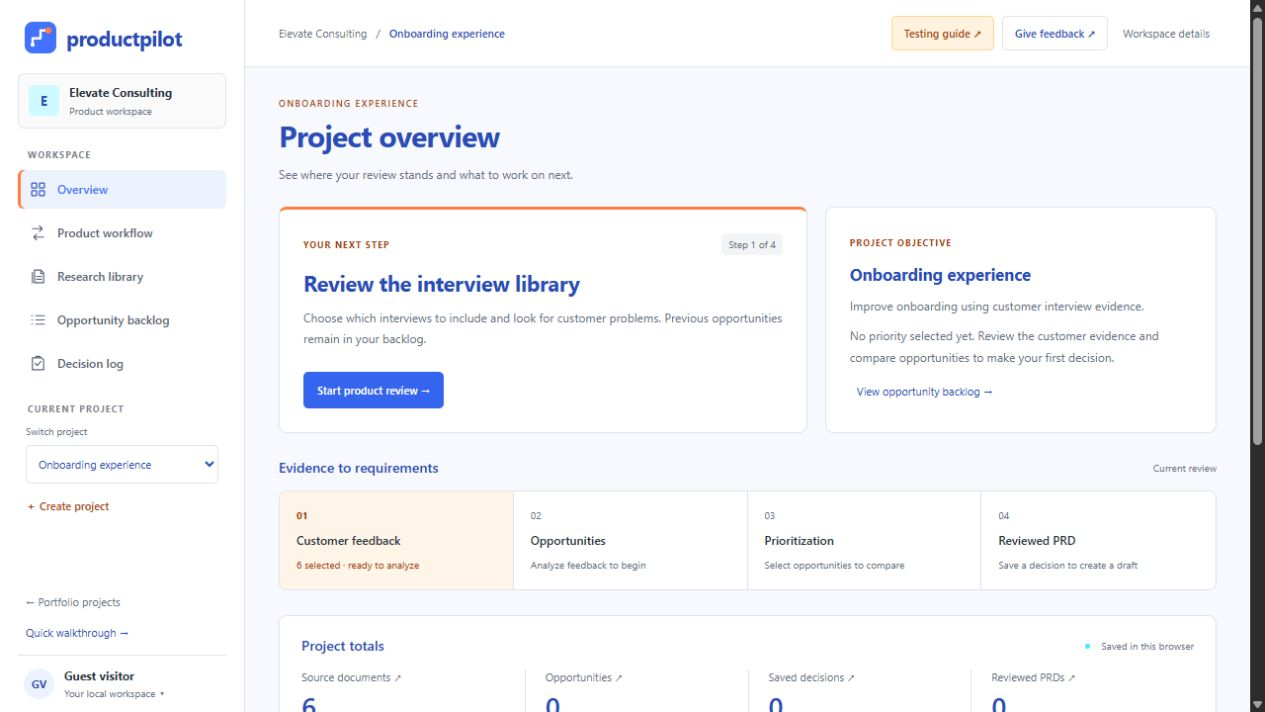
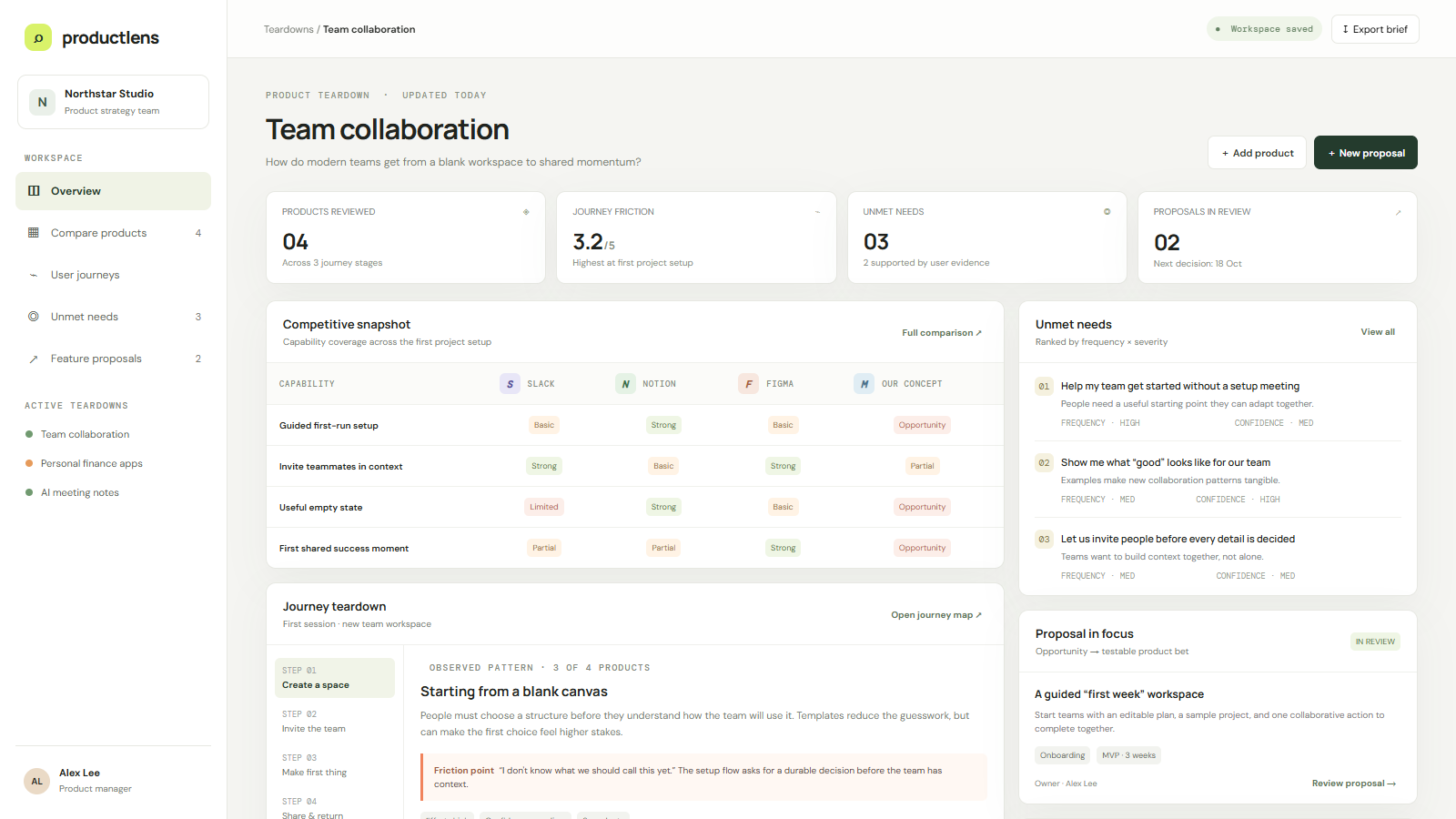
A product-management workspace connecting interview transcripts to source-linked opportunities, explicit prioritization decisions, and a reviewed Word PRD.
4 connected review stagesPersistent opportunity backlogPRD export with evidence appendix
Product DiscoveryEvidence TraceabilityHuman Decision Making
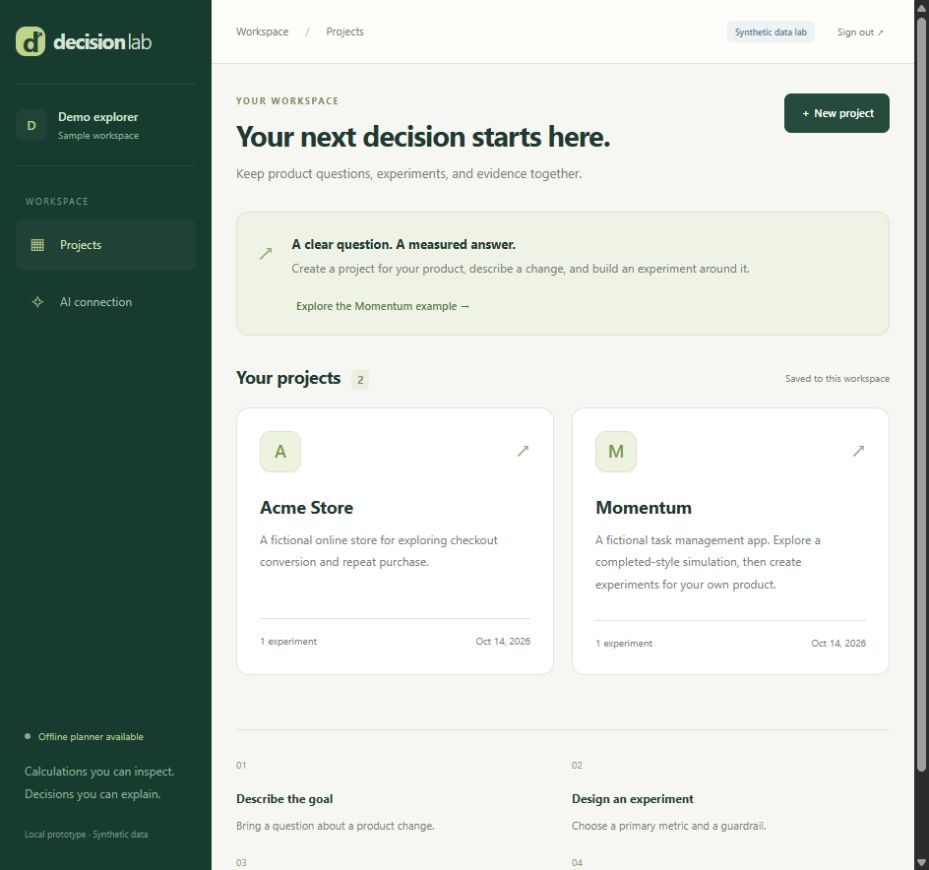
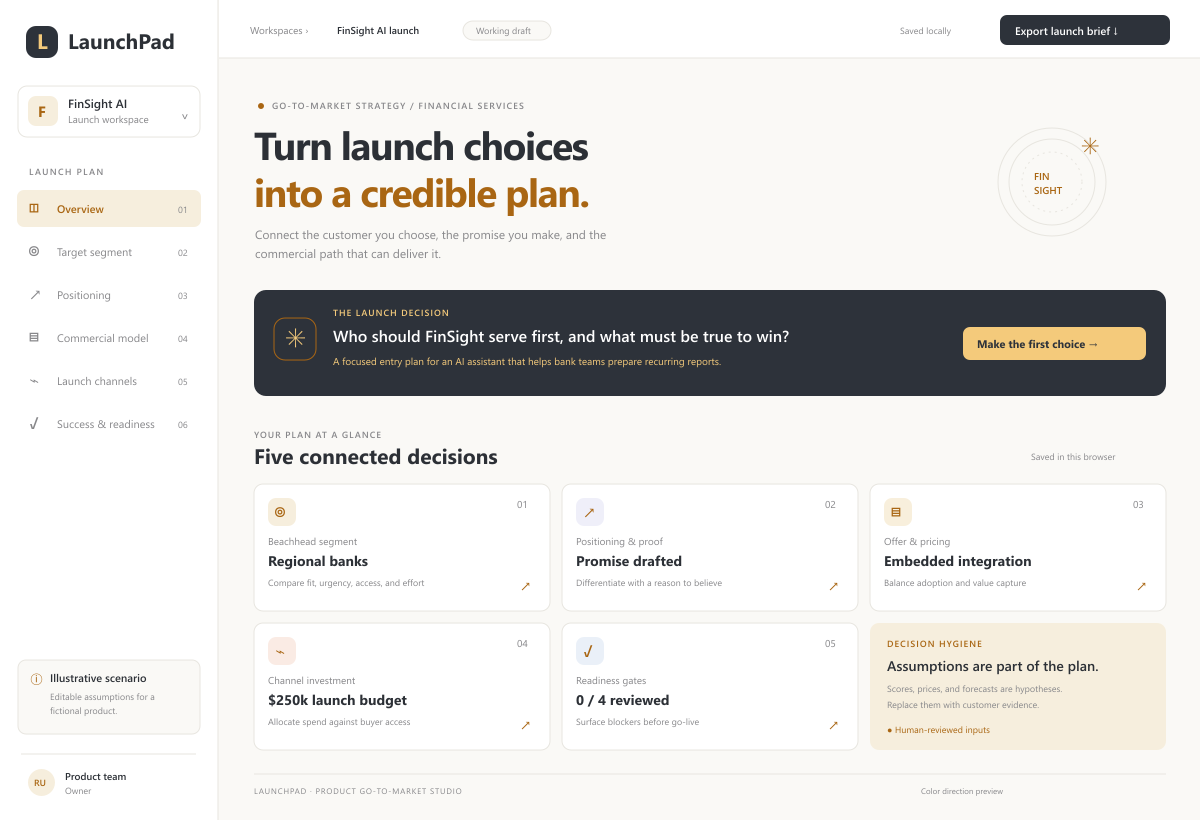
A product experimentation workspace that turns a product question into an A/B plan, synthetic event data, statistical evidence, and a downloadable product recommendation.
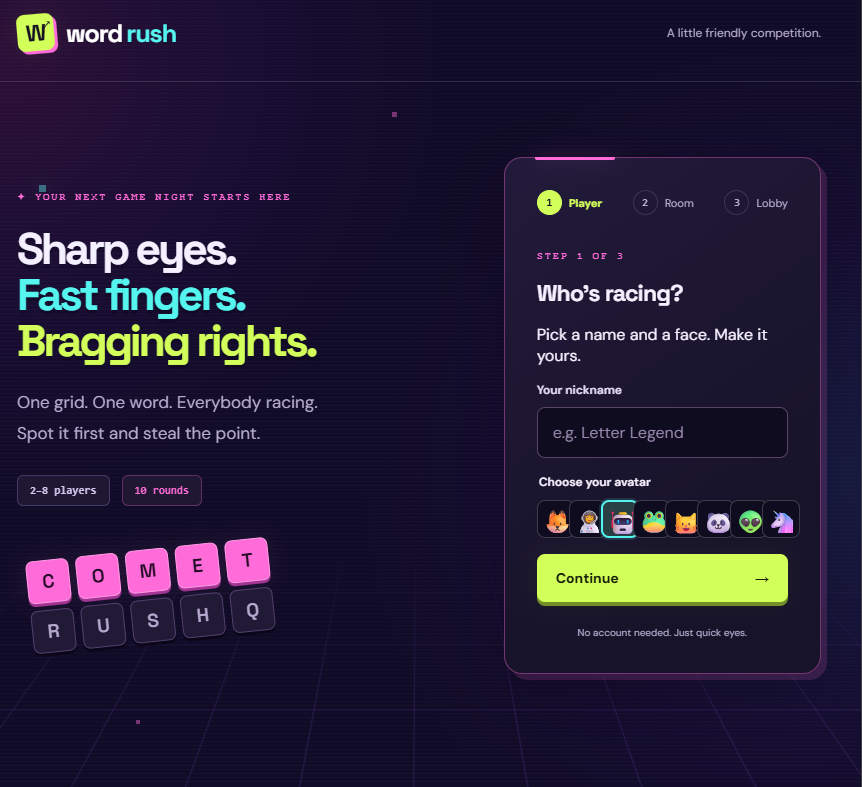
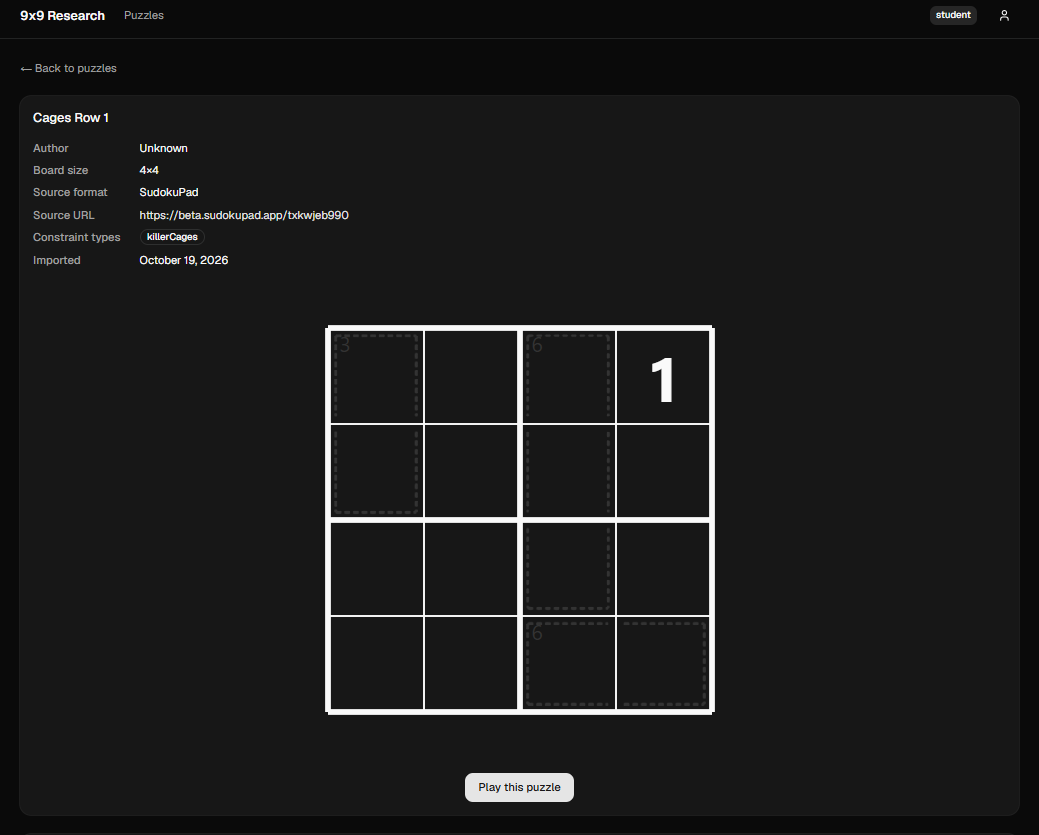
A fast multiplayer word game where 2–8 players race through shared puzzles, compete across synchronized rounds, and play with either Word Search or Scramble Rush.
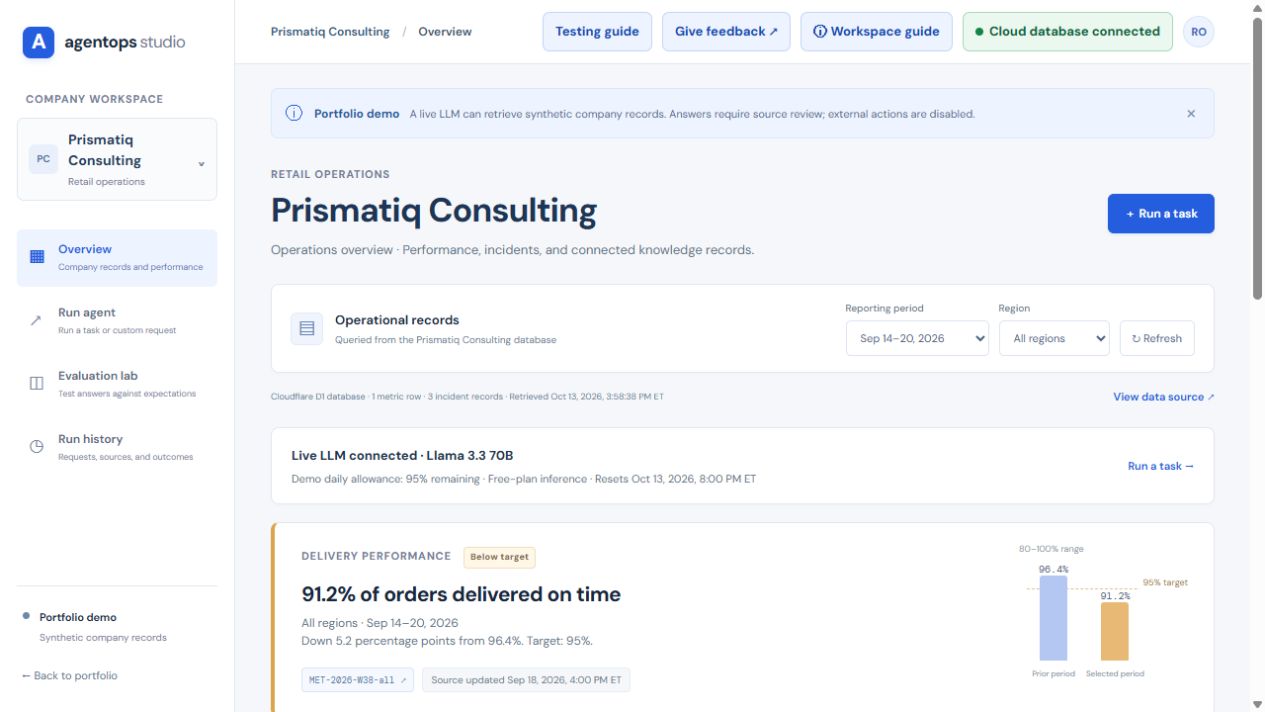
A working operations assistant for a fictional retailer. It helps teams investigate a fulfillment problem, find the records behind the answer, acknowledge when information is missing, and send sensitive actions to a person for review.
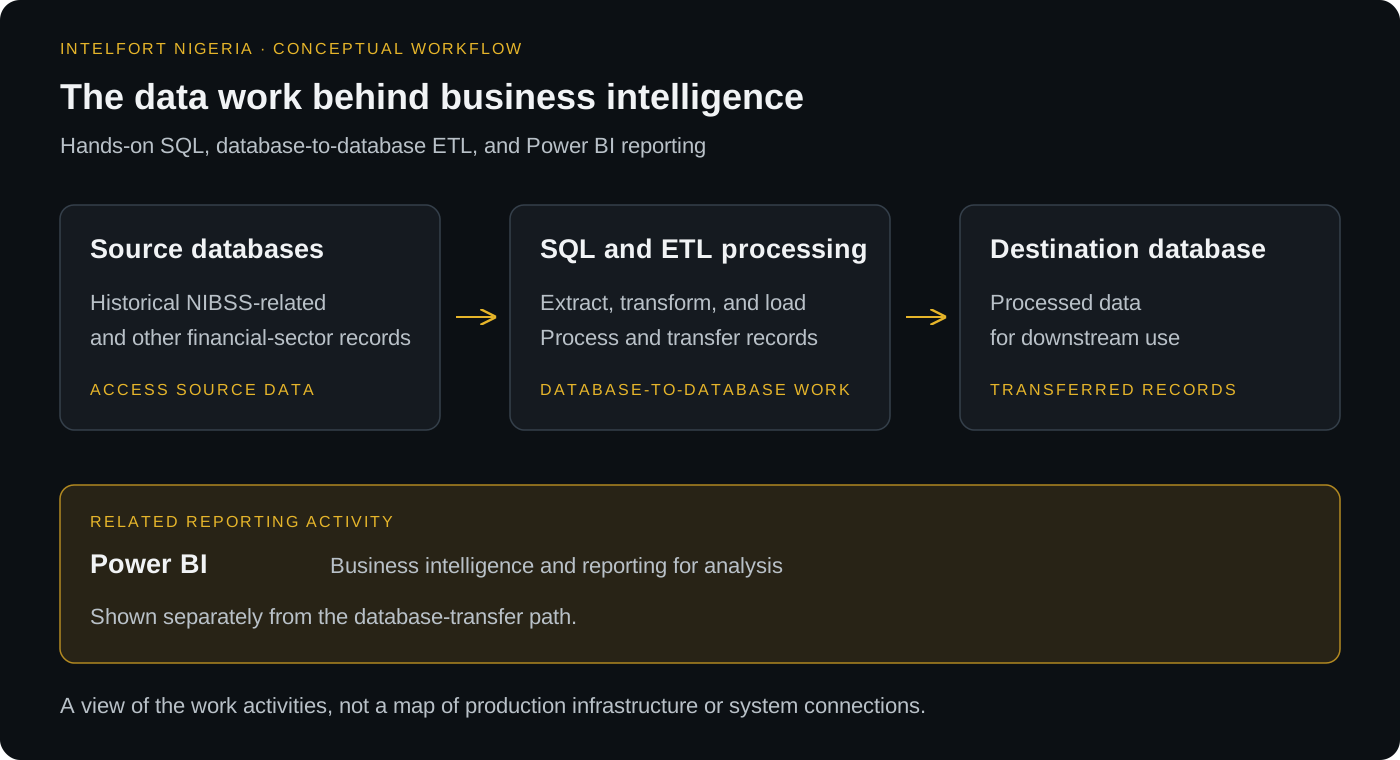
Technical Program Manager | Digital Banking & Payments
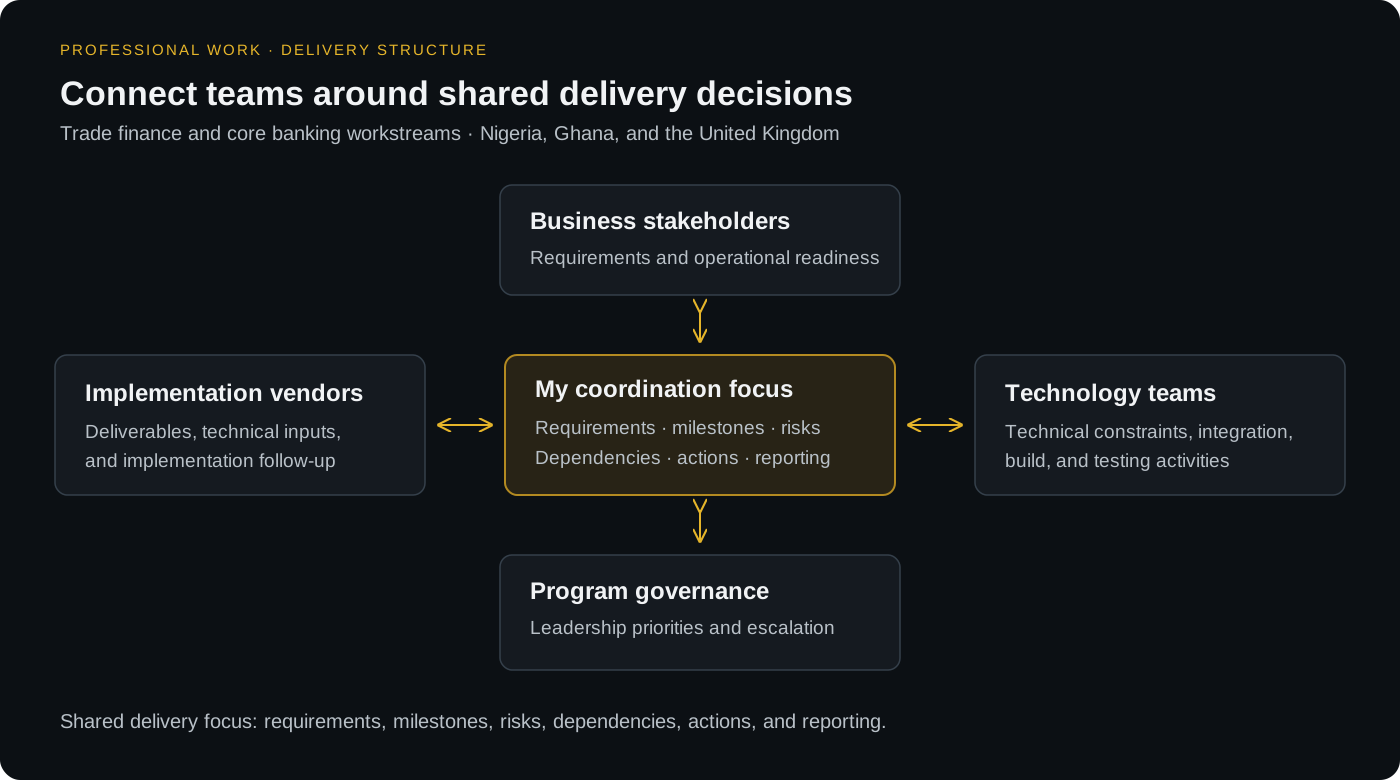
Owned trade finance application delivery and co-owned core banking implementation workstreams across business teams, technology teams, and vendors in Nigeria, Ghana, and the UK.
$100M+ broader program8,000+ platform users3 countries in scope
Technical Program LeadershipEnterprise PlatformsCross-Functional Delivery
I conducted mixed-methods research and designed mobile and in-vehicle interfaces across participant groups with different access needs. Original prototypes show how a user need became a visible arrival interaction.
Research analysis, Unity prototyping & publication coauthor
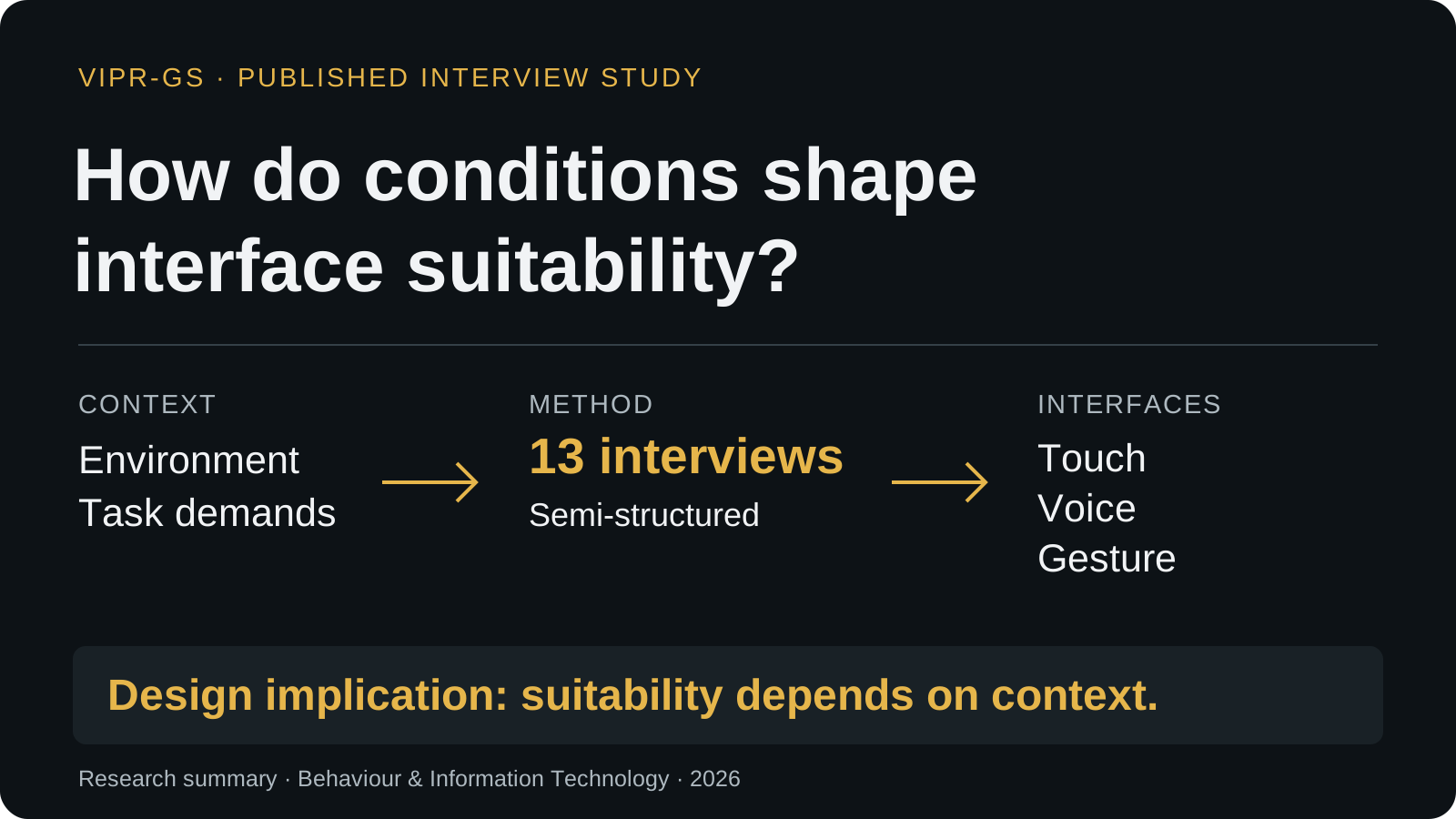
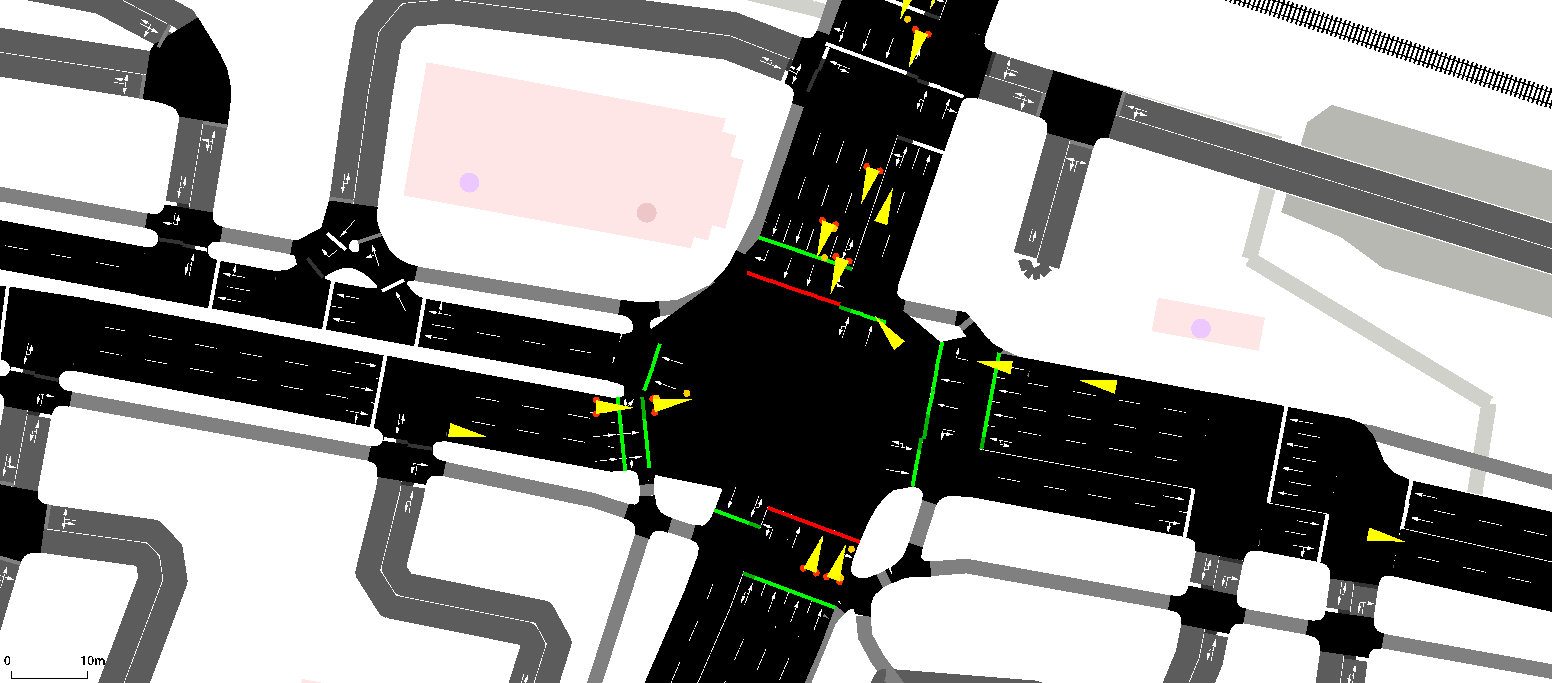
A VIPR-GS research project examining vehicle interfaces in context. I analyzed interview evidence, refined a peer-reviewed paper and built a Unity environment with terrain, noise and weather effects.
13 published interviewsPeer-reviewed paperContextual UX research
Qualitative ResearchContext of UseResearch Synthesis
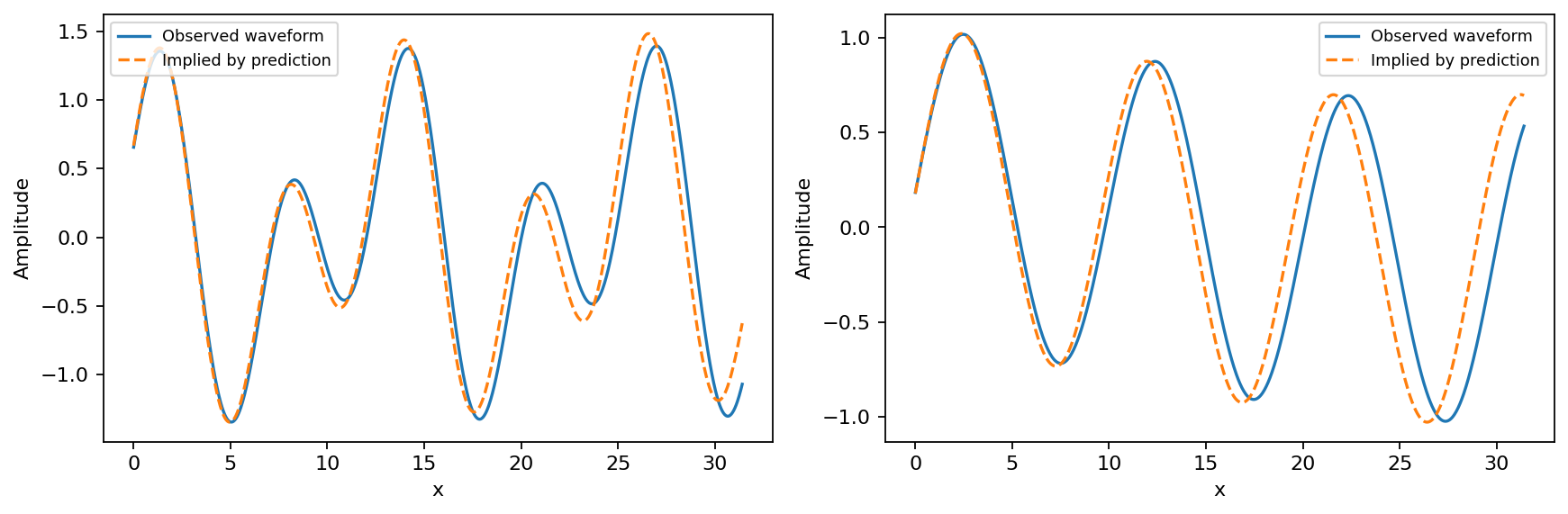
Evaluated how repeated trip observations degrade location privacy in urban vehicle-to-everything systems using entropy-based privacy metrics and a four-week simulation.
Quantitative analysis and statistical interpretation
What I learned about quantitative user research: choosing methods, comparing interface conditions, interpreting uncertainty and modeling repeated observations, demonstrated through four R assignments.
Coursework in model training, analysis and evaluation
What I learned about training and evaluating ML models, from regression and clustering to neural networks and transformer fine-tuning. Includes runnable Python, notebooks, fitted models and saved results.
Research framing, methodology and literature synthesis
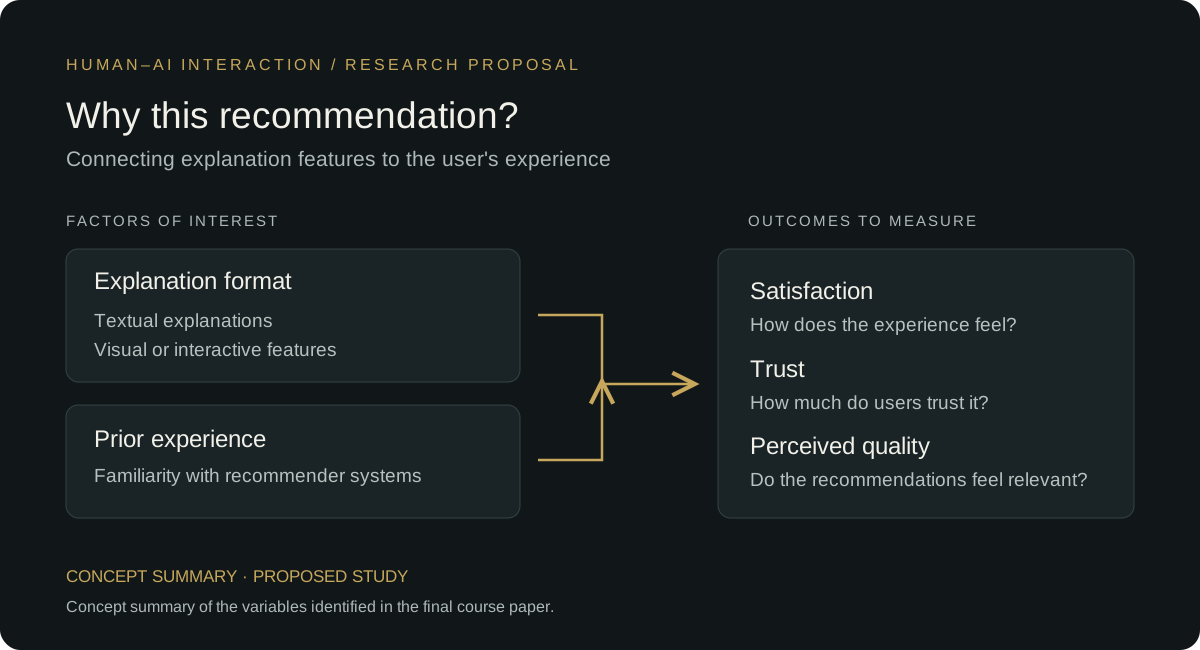
How might recommendation explanations affect satisfaction, trust and perceived quality? A research proposal connecting the question to variables, study procedures and measurement.
Experimental research proposal3 literature databasesStudy materials prepared
Concept, narrative design, UI and team coordination
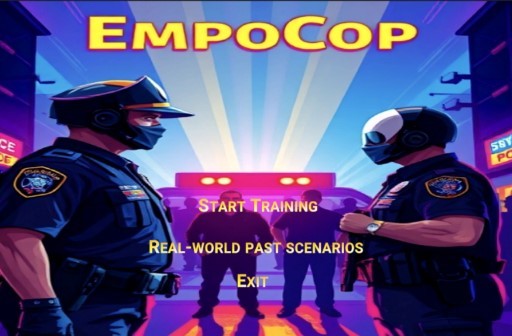
A narrative game for empathy and de-escalation practice. I proposed the concept and contributed scenario design, UI integration, team coordination and the project paper.
5-person teamUnity prototype + gameplayDesign document + project paper
Literature review, study design, figures, writing and coordination
How repeated trip observations change an observer's uncertainty about a driver's travel. I contributed research synthesis, study design, figures, writing and coordination.
3 trip-pattern conditions60 observation snapshotsLiterature review + working paper
Research SynthesisEvaluation DesignResearch Coordination
Study design, interviewing, thematic analysis and writing
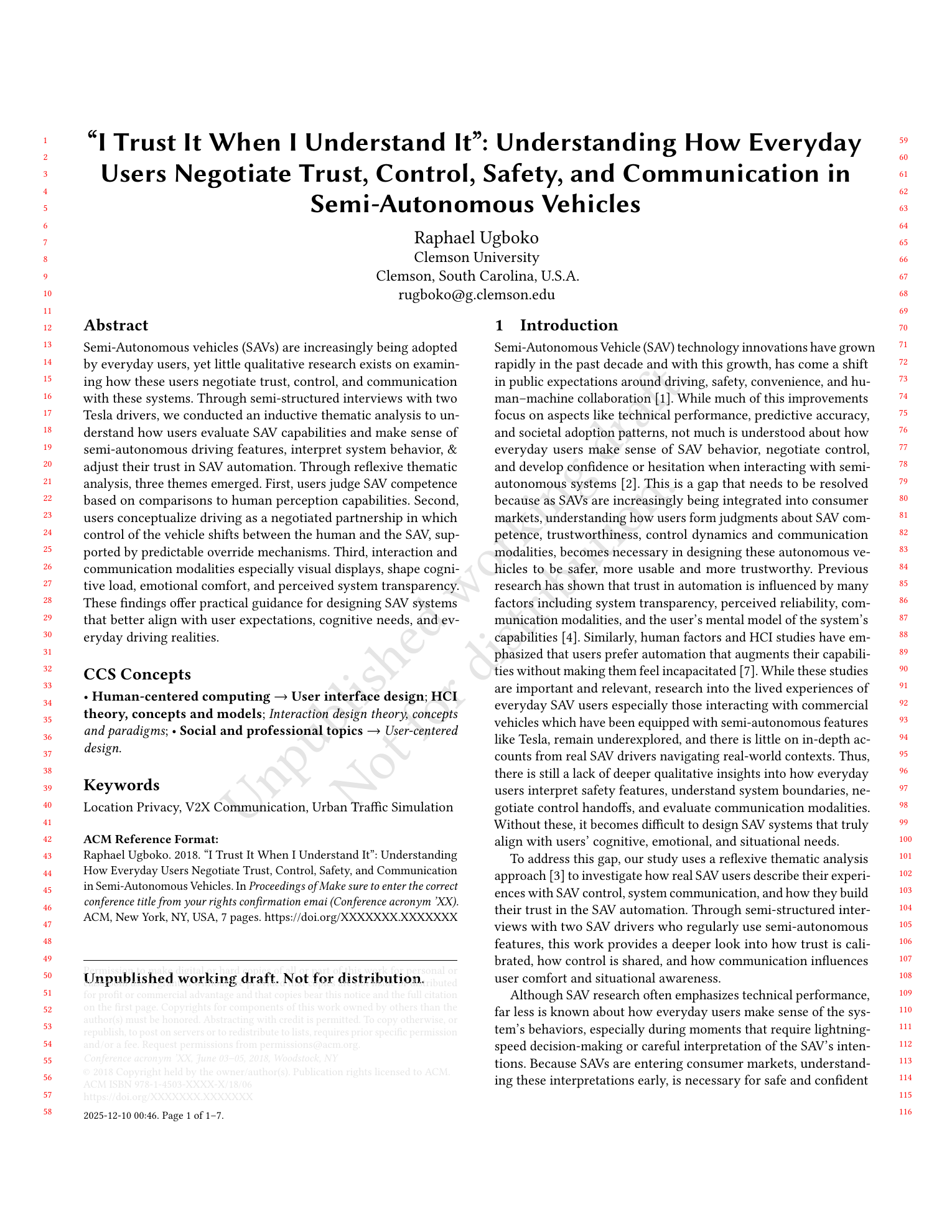
What I learned about study design, interviewing, reflexive thematic analysis and translating findings into design questions, applied through an individual study of vehicle automation.
2 driver interviews3 interpretive themesIndividual study · Fall 2025
Research, specifications, prototyping, evaluation and coordination
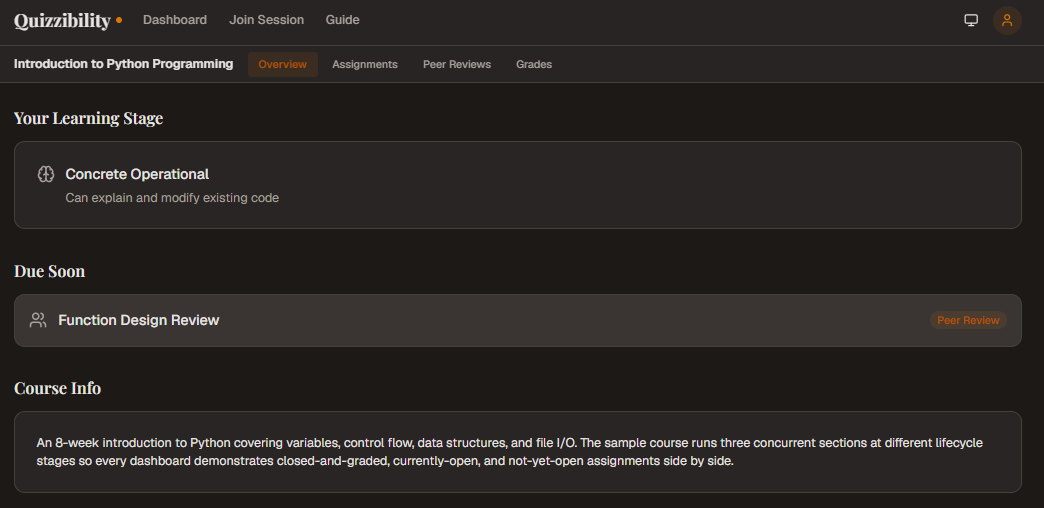
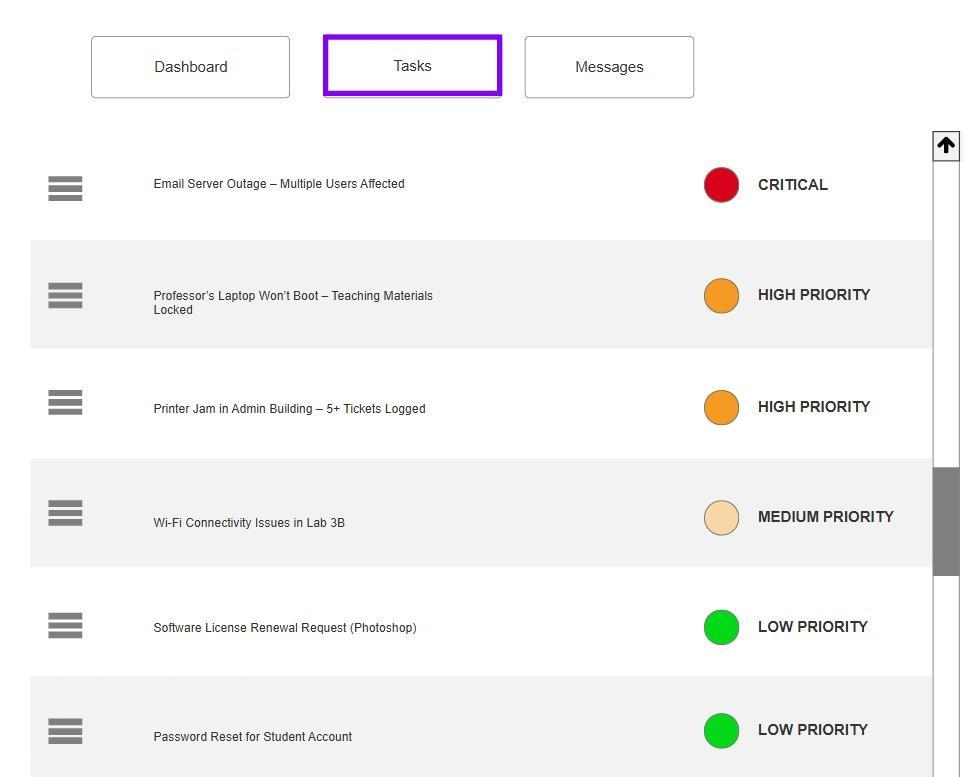
What I learned about connecting user needs to design decisions, demonstrated through an IT support dashboard: interviews, needs analysis, measurable requirements, concept selection and prototype evaluation.